About Hello Brave
Our story
When our eight-year-old son was diagnosed with Burkitt lymphoma, we came home from the hospital and sat together in silence.
We didn't know what to say.
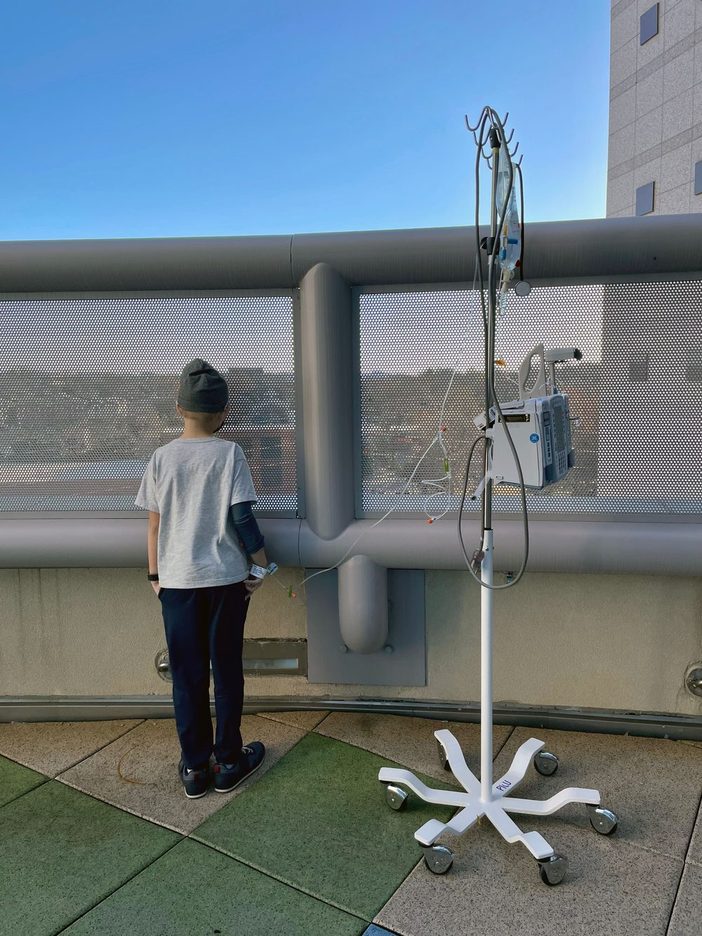
How do you tell a child that he has cancer? How do you explain chemotherapy, spinal taps, scans, side effects, and everything that's about to happen to his body without terrifying him?
So, at first, we didn't. Even saying the word cancer took our family time.
But our son was living it whether we had the words for it or not. Treatment was happening to him, and without a clear understanding of why, so much of it felt frightening and beyond his control.
Protecting children from hard words doesn't protect them from hard experiences.
They deserve honest, age-appropriate explanations of what's happening to their bodies, and language that gives them permission to ask questions, name their fears, and be part of their own care.
We wished we'd had those words from day one.
From an idea to a book
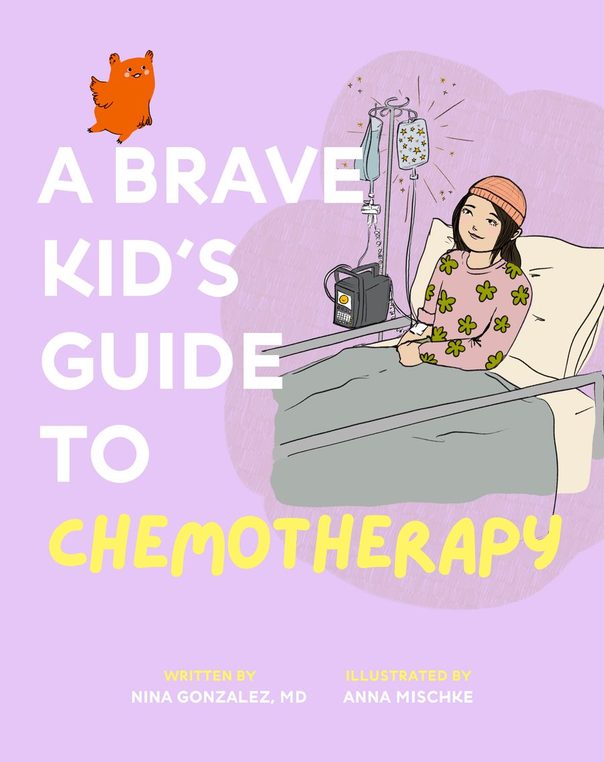
Nina, our son's aunt, is a physician, and out of our family's experience came an idea: what if we could create the resource we had needed? Something medically accurate but truly made for kids. Something that could sit beside a family on one of the hardest days of their lives and help them begin the conversation.
That idea became A Brave Kid's Guide, and then Hello Brave: a nonprofit helping kids understand serious illness.
Meet the team →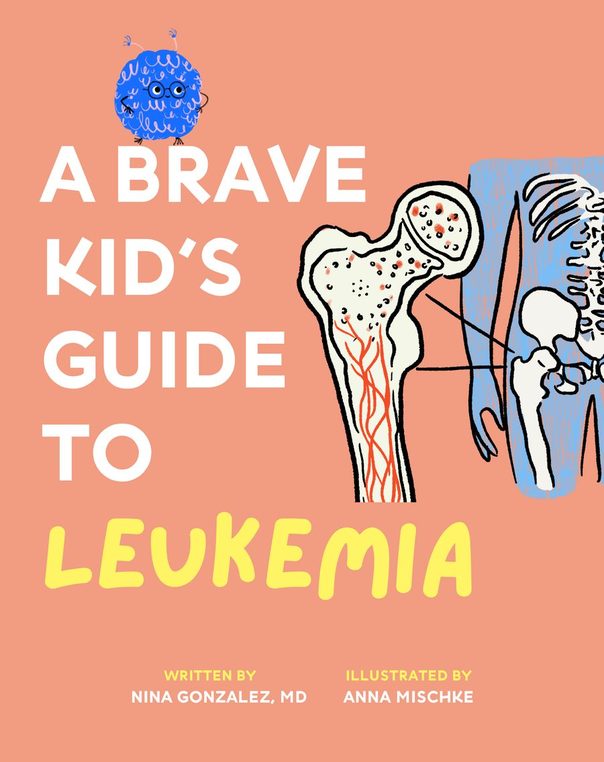
Our mission
Give kids facing serious illness the words to understand what's happening to them.
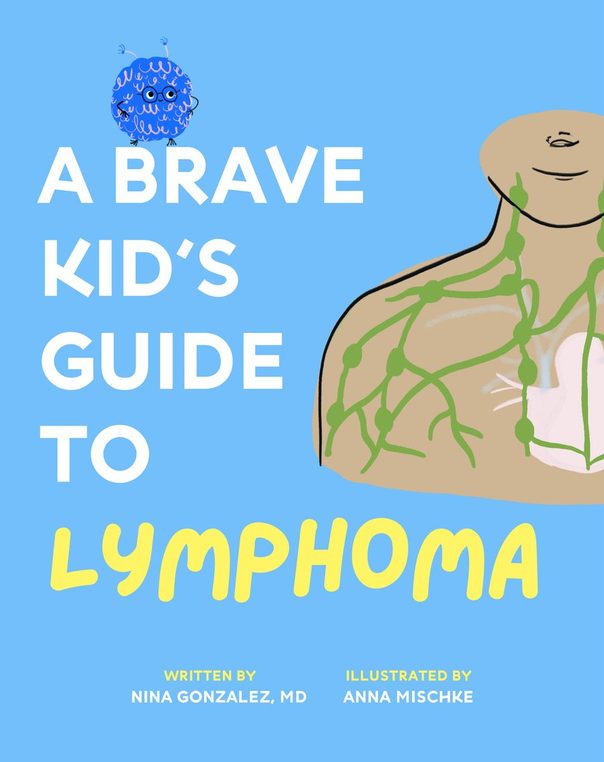
Hello Brave creates honest, age-appropriate books and resources that help children understand serious diagnoses, treatments, and medical experiences — and give families a way to start the conversation.
Our vision
A world where every child is included in the conversation about their own care.
We believe children deserve information made for them: medically accurate, developmentally appropriate, and clear enough to replace some of the fear of the unknown with understanding.
We can't make a serious diagnosis less serious. But we can make it less confusing.
Our hope is to give families the words from day one, so children don't have to face the fear of not understanding what's happening to them.